Column · @mylesafvg636
Tree Care for Schools: Balancing Shade, Play and Safety
Trees help make school grounds cooler, more comfortable and more inviting. Across Brisbane’s northern suburbs, from Chermside and Aspley to Bracken Ridge, established trees provide valuable shade over outdoor learning areas, playgrounds and gathering spaces. However, keeping these benefits requires planned maintenance that considers tree health, student activity and severe weather.
Effective school tree care manages risk without treating every mature tree as a problem. A practical approach combines professional assessments, suitable planting and clear procedures for reporting changes.
Plan Shade Around How Students Use the Grounds
Start by identifying where students spend time during lunch, outdoor lessons and before-school supervision. Check how shade moves across these spaces throughout the day and across seasons. A playground shaded early in the morning may still receive strong afternoon sun.
Retain healthy, well-positioned trees where possible. When planting replacements, consider mature canopy spread, root development, soil conditions and clearance from buildings, paths, fences and services. Trees take time to establish, so shade structures may be needed while new planting develops. Natural shade also complements, rather than replaces, hats, sunscreen and other sun-protection measures.

Use a Risk-Based Tree Inspection Program
School trees need an inspection schedule tailored to their condition, location and the number of people using the surrounding area. A tree beside a busy assembly space warrants different management attention from one in a fenced, rarely accessed https://trevorzdiz843.huicopper.com/tree-crown-lifting-vs-crown-thinning-when-to-use-each corner.
Engage an appropriately qualified arborist for assessments. For detailed tree-risk advice, look for a consulting arborist with an AQF Level 5 qualification in arboriculture and relevant assessment experience. Ask for written findings, recommended actions and a review timeframe rather than relying on a general assurance that a tree is “safe”. No inspection can guarantee that a tree will never fail.
- Maintain a tree register: Record tree locations, species where identified, inspection dates, findings and completed work.
- Prioritise occupied areas: Include playgrounds, seating, entrances, pickup zones and outdoor classrooms.
- Report visible changes: Flag hanging branches, new cracks, unusual leaning, soil movement, cavities or fungal growth for assessment.
- Review after significant events: Arrange checks following damaging storms, nearby excavation or vehicle impacts where these may have affected trees.
Prepare for Brisbane Storms Without Over-Pruning
Brisbane’s summer thunderstorms can bring strong winds, intense rainfall and saturated soil. Complete planned assessments and priority maintenance before the storm season where practical, while retaining a process for urgent issues throughout the year.
Pruning should address identified defects, required clearances and appropriate tree structure. Indiscriminate topping or heavy canopy removal is not a reliable safety solution and can create decay, stressed trees and weakly attached regrowth. Specify work consistent with AS 4373, Pruning of amenity trees, where applicable.
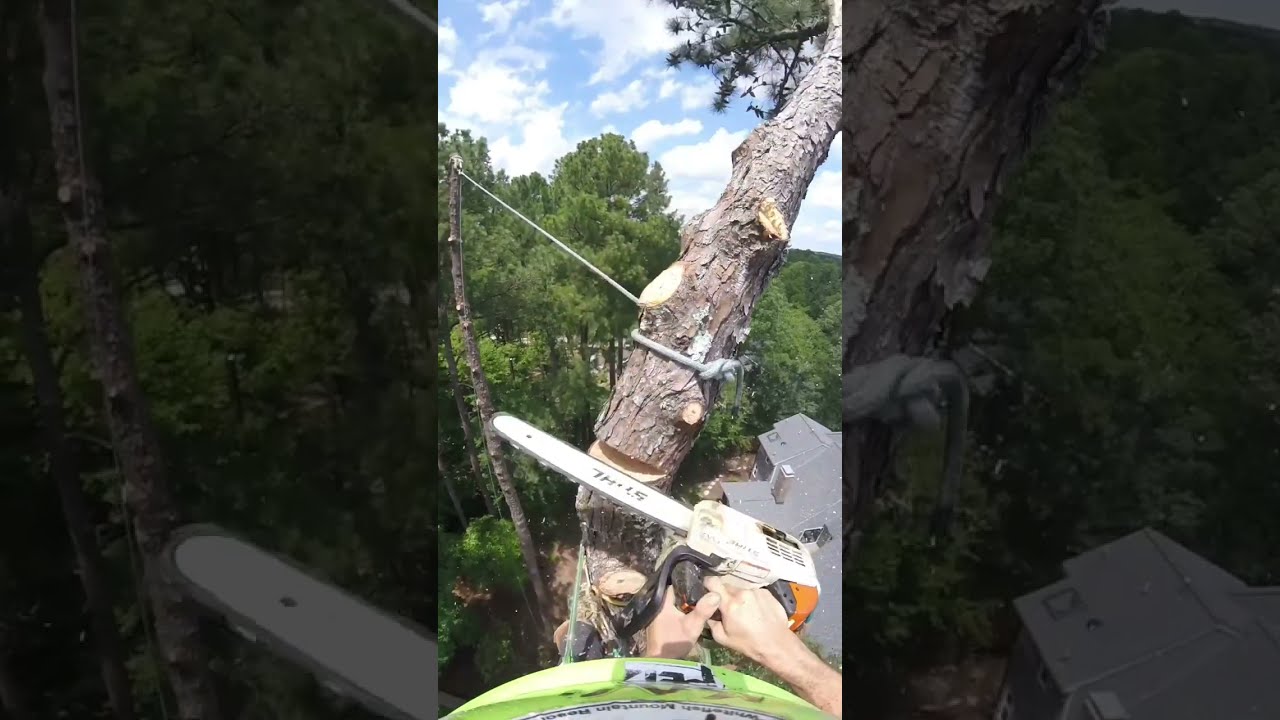
After severe weather, keep students and staff away from hanging branches, damaged trees and fallen powerlines. Establish exclusion zones and obtain professional advice before reopening affected areas.
Protect Play Areas and Tree Roots Together
Repeated foot traffic and vehicle access compact soil, reducing the air and water available to roots. Protect suitable root areas with mulch, keeping it clear of trunks, and discourage parking or storage beneath trees. Avoid trenching, grade changes and construction near established trees without arboricultural advice.
Raised roots near paths need coordinated attention from an arborist and the school’s facilities team. Cutting roots to remove a trip hazard can undermine tree health or stability. Depending on the site, rerouting a path or using a suitable alternative surface may be more appropriate.
Choose New Trees for Long-Term Suitability
Select species for the available space rather than appearance alone. Assess mature size, branch structure, local growing conditions, fruit or seed drop and maintenance requirements. Around play spaces, also consider thorns, irritating sap and known toxic plant parts.
Locally suitable native species can support wildlife, but native status alone does not establish suitability for a particular school location. Species diversity also helps reduce dependence on trees with similar pest, disease or climate vulnerabilities. Budget for establishment watering, mulch and formative pruning, not just purchase and planting.
Check Approvals and Schedule Work Safely
Before substantial pruning or removal, check applicable school-sector approval processes and whether Brisbane City Council vegetation protections or other requirements apply. Requirements depend on the property, vegetation and proposed work; do not assume school grounds are automatically exempt.
Schedule tree work outside student access times wherever possible. Contractors should provide appropriate insurance, site-specific safety documentation and secure exclusion zones. By linking tree inspections with grounds maintenance, playground checks and storm procedures, northern Brisbane schools can preserve valuable shade while managing foreseeable risks.
North Brisbane Tree Removal
Shed 3/88 Lever St, Albion QLD 4010
(07) 4800 5089